
The Leadership Skills AI Can’t Replace
As AI takes on more of the work, leading people matters more. Here are the human skills that set great leaders apart.

ravenlee
· 2 min read
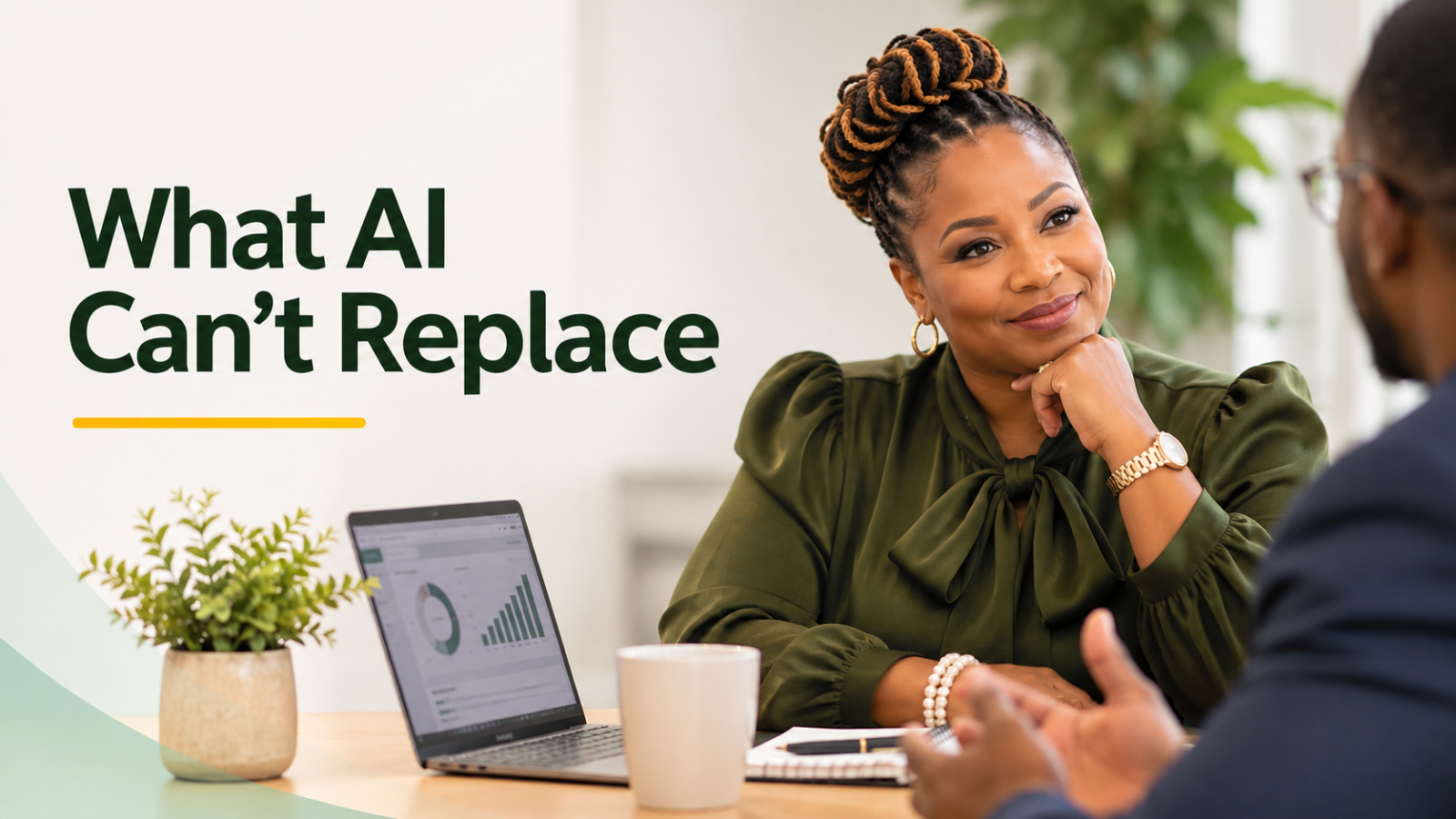
AI can draft the report, analyze the data, summarize the meeting, and suggest the next step. It’s getting better at all of it every month.
So what’s left for leaders?
More than ever, actually. As AI takes over more of the work, the value of leading people goes up. Technology can produce answers. It can’t build trust, read a room, make a judgment call with real consequences, or help a team believe in where they’re going. Those are human jobs — and they’re becoming the ones that matter most.
The skills AI can’t replace
- Judgment under uncertainty. AI can lay out options and probabilities. A leader still has to decide — weighing values, people, timing, and consequences no model fully captures — and own the outcome.
- Building trust. People follow leaders they believe in. Trust comes from consistency, honesty, and showing up when it’s hard. It can’t be generated.
- Reading people. Noticing the hesitation in someone’s voice, the tension between two teammates, or the quiet team member with the best idea who hasn’t spoken yet.
- Navigating hard conversations. Delivering difficult feedback, managing conflict, or supporting someone through a personal crisis requires empathy and presence.
- Creating meaning. Helping people understand why their work matters and how it connects to something bigger.
- Developing others. Coaching someone to grow, spotting potential before it’s obvious, and opening doors for them.
- Ethical courage. Deciding what should be done, not just what can be done — and standing behind it.
Leading a team that’s anxious about AI
Many people are quietly worried about what AI means for their jobs. How you respond shapes whether your team adapts or freezes.
- Talk about it openly. Silence breeds rumors. Acknowledge the uncertainty, even when you don’t have every answer.
- Be honest about what’s changing. Don’t promise that nothing will change if you don’t know that. People trust candor more than reassurance.
- Focus on the work that matters most. Help people see where their human strengths add value that tools can’t.
- Invite experimentation. Give your team permission to try AI tools, share what works, and learn together — without fear of looking foolish.
- Invest in their growth. Support learning new skills so people feel equipped for what’s next, not left behind by it.
How to invest in these skills now
- Use AI to buy back time — then spend it on people. If a tool saves you five hours a week, put some of that into one-on-ones, coaching, and relationship building.
- Get honest feedback on your human skills. A 360 assessment or trusted peer can show you how you’re actually experienced as a leader — your blind spots included.
- Practice the hard conversations. Don’t avoid them. Each one builds the muscle.
- Make decisions visible. Explain your reasoning to your team, not just the outcome. It builds trust and teaches judgment.
- Stay curious about the technology. You don’t need to be an expert, but leaders who understand AI’s limits lead it better.
The bottom line
AI will keep changing the work. It won’t change the fact that people need leaders they can trust. The leaders who thrive in the next decade will be the ones who double down on what makes them human.
If you want to sharpen the leadership skills that will matter most in an AI-driven workplace, let’s talk. Each month, I offer a limited number of complimentary strategy sessions to readers. Request yours.
Raven is an executive coach and former VP of Global Talent Management & HR. She helps managers, directors, and executives lead with intention and position themselves for what's next.